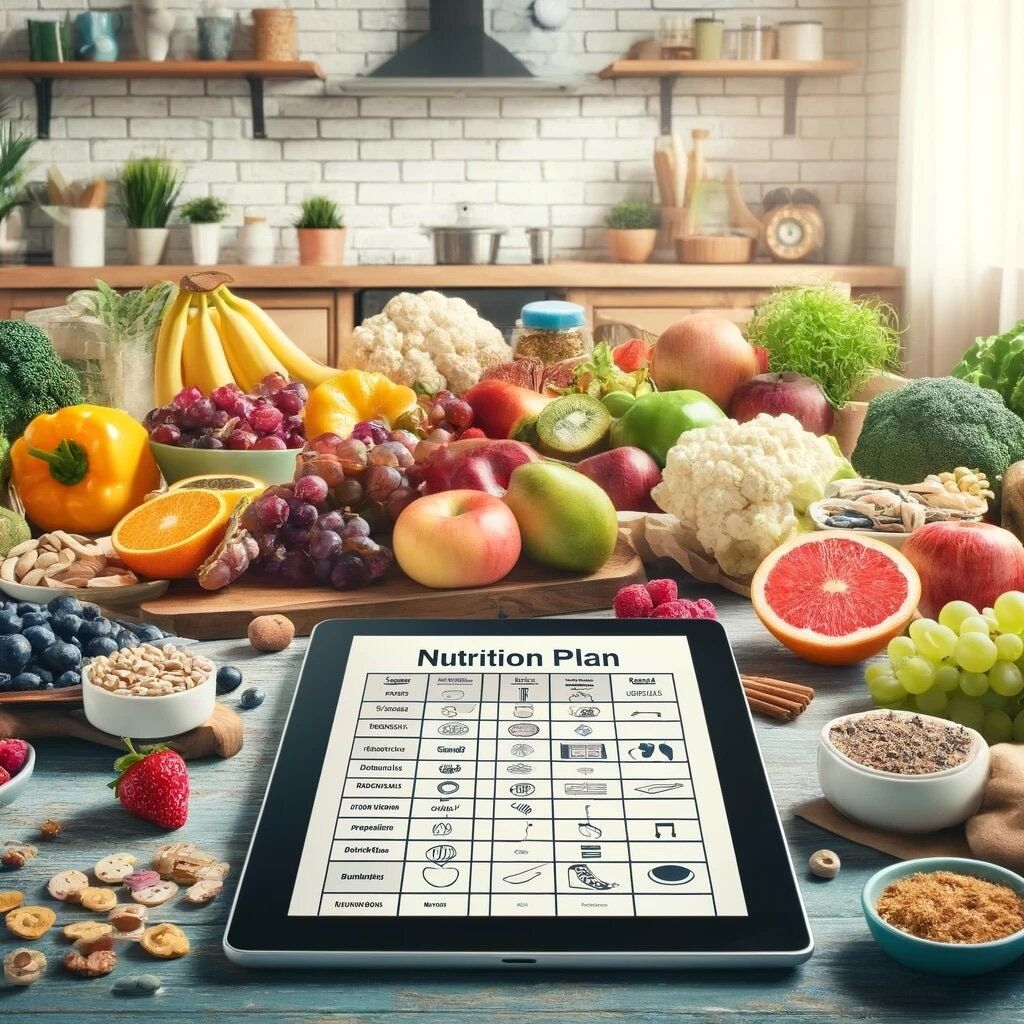
Weekly grid Pantry first No outcome hype

Readable weeks on one screen

Planning should feel like organising a creative studio rather than auditing your life. We walk through shopping arcs, thaw reminders, and truthful reviews of what actually happened—without promising that a prettier spreadsheet changes your body or lab results.

Abstract weekly calendar grid for educational meal planning context

Inventory

Pantry audit without shame

List what exists before dreaming about new ingredients. The exercise is descriptive, not judgmental about past purchases. Photograph shelves if typing feels slow, then delete photos after notes land somewhere private.

Expiry dates are logistics signals, not moral scores. Move food you will not eat into community pantries or compost paths aligned with local guidance.

Parallel kitchens

Lanes for busy households

Separate mental tracks so staples and experiments do not collapse into one overwhelming list.

Commute-aware cooking

Record earliest realistic return times before assigning oven or slow-cooker tasks. If transit wobbles, leave a swap row for cold plates.

A/B

Staples vs trials

One column covers rice, oats, lentils; another captures “maybe” recipes. Failed experiments do not delete your staples column.

Shared cart diplomacy

Colour keys show who bought which treat without turning snacks into surveillance.

Donation shelf

Items nearing dates get a sticky note and a calendar slot so they leave home intentionally.

Batch-friendly prep

Group knife work once if Tuesday and Thursday share ingredients; skip if your week is unpredictable.

Economics

Price cells are optional

Worksheets include per-hundred-gram comparisons when you enjoy arithmetic. Others leave numbers blank and rely on qualitative “expensive week” flags. Outcomes depend on store, season, and what was on special—never on moral worth.

Unit normalise

Align package sizes before debating which brand to repeat.

Leftover ledger

List half-used jars so they appear in the next shop draft.

Archive duplicates

Delete coupons you will not realistically use during that fortnight.

Sunday cadence

Eight-minute recap

Short enough to finish before the kettle clicks off.

Confirm reality

Highlight meals that happened as written, ones that moved days, and blanks filled with improvisation.

Promote leftovers

Drag unfinished ingredients to the top of next week’s column so they stay visible.

Prune noise

Remove templates you skipped three weeks straight; clutter slows future you.

Note friction kindly

One sentence about what felt rushed helps the following plan without turning into self-blame.

Households

All ages at the table

Colour codes for snacks and mains can help younger eaters participate in setup. This stays organisational: we do not offer feeding therapy or growth commentary. Specialists belong in those conversations.

Digital PDFs stay legible on small screens; print versions respect margins so handwritten notes fit.

Mailbag patterns

What planners ask

Shift work

We rotate “anchor meals” rather than repeating seven identical dinners.

Rural shops

Lists note longer gaps between trips and freezer swaps.

Shared custody

Two mini calendars merge at handover days without implying one home cooks “better.”

When plans collapse

We celebrate rewriting mid-week. Rigid streaks are not the goal; legible recovery is.